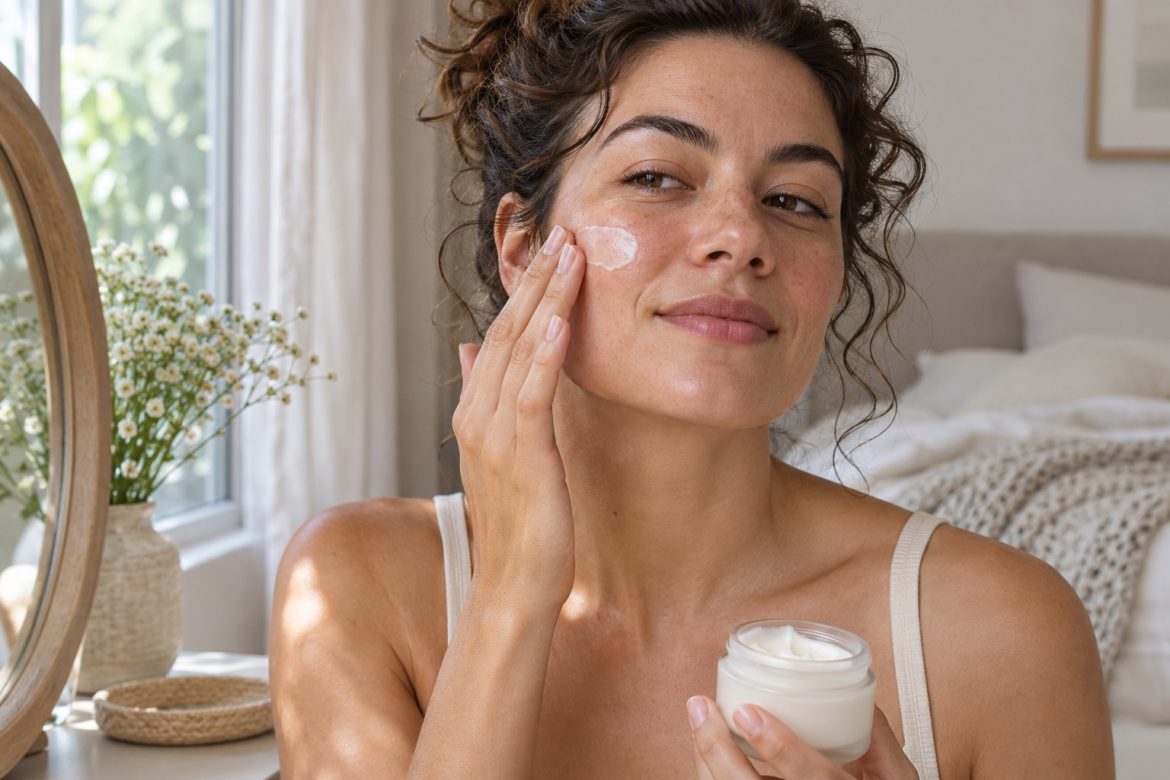
Moisturizer shopping gets complicated quickly. One shelf promises featherlight hydration, another is filled with rich barrier creams, and the ingredient lists can make a basic purchase feel like a chemistry exam.
Start with texture and comfort. A moisturizer only helps your routine if you like using it and your skin tolerates it.
Match the format to how your skin feels
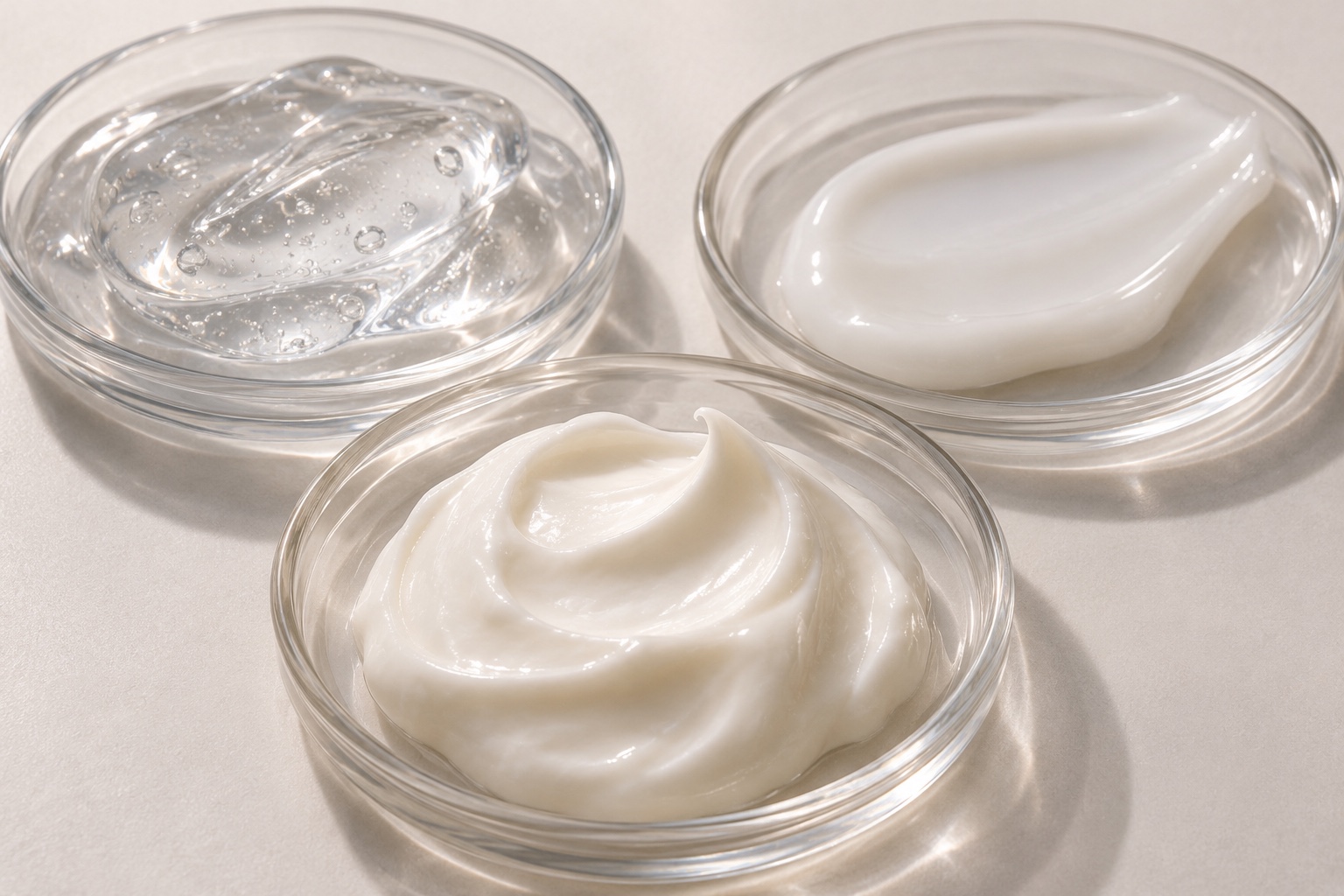
Gels tend to feel light and may suit oily areas or warm weather. Lotions sit in the middle. Creams and ointments are thicker and can be useful when skin feels rough, flaky, or tight. These are starting points, not permanent labels.
The AAD guide to choosing a moisturizer notes that dry skin often benefits from a cream or ointment, while some people with oily skin prefer a lighter gel. Combination skin may need moisturizer only on the drier areas.
Read the label for practical clues
Fragrance-free products can be a sensible place to start if your skin is easily irritated. If you tend to break out, look for wording such as non-comedogenic or will not clog pores. No label guarantees a perfect match, so introduce one new product at a time.
A pump or squeeze tube is convenient and limits how often fingers touch the formula. A jar can still work well if you use clean, dry hands or a washable spatula.
Test it in the routine you already have
Try the moisturizer for several days without adding other new products. Notice whether your face feels comfortable an hour later and whether sunscreen or makeup sits well on top. A product that feels lovely at night may be too rich under daytime layers, so separate morning and evening options can make sense.
Season changes matter too. You may want a lighter texture in humid weather and a thicker one when indoor heating leaves the air dry. The best choice is often ordinary: it feels good, fits your budget, and gets used before the container expires.